This guide contains affiliate links. As an Amazon Associate we earn from qualifying purchases, at no extra cost to you. Learn more.
In this guide
Moving in Texas with a pet goes smoothly when you handle three things early: your pet's health and ID, safe travel in our heat, and housing that truly welcomes animals. Whether you are moving across Houston or from another state to Austin, this guide walks you through each step so your dog or cat arrives calm, safe and ready to settle in.
Find pet-friendly housing first
Housing is where most pet moves hit a snag. Many apartments and rental homes in Texas accept pets, but policies vary a lot.
- Get the policy in writing: Ask about pet deposits, one-time fees, monthly pet rent, the number of pets allowed, and any breed or weight limits.
- Check the space: Is there a yard or dog park nearby? Are there walking trails? Are floors pet-friendly?
- Look at the neighborhood: Proximity to a vet, an emergency animal hospital and a good park makes life easier.
- Read the HOA rules if you are buying or renting in a managed community.
If your animal is an emotional support animal, federal fair housing rules generally treat it as a reasonable accommodation rather than a pet. You typically need proper documentation from a licensed provider, and services like Texas ESA letters through Connected Renter explain how that process works. Be honest about your situation; landlords can question documentation that does not hold up.
If you are renting while you plan or wait on a home build, our guide to apartment rental requirements in Austin covers the paperwork landlords will ask for.
Prepare your pet before moving day
Visit the vet
Schedule a checkup a few weeks out. Make sure vaccinations, especially rabies, are current, refill medications, and get copies of records to give your new vet. If you are moving from another state, ask about entry requirements, and confirm them with the Texas Animal Health Commission since rules can change. If your pet gets anxious in the car, ask your vet about options.
Update ID
Update microchip registration with your new address and phone number, and get a new tag for the collar. Lost pets during moves are common, and up-to-date ID is the fastest way home.
Get them used to the carrier
Leave the carrier out with a blanket and treats for a week or two so it feels safe, not scary. A well-ventilated pet carrier sized so your pet can stand and turn around is worth getting right.
Pack a pet essentials kit
Pack a separate bag that rides with you, not in the moving truck.
- Food for several days, plus treats
- Water and collapsible bowls
- Medications and vet records
- Leash, harness, and waste bags or a small litter box
- Favorite toy and a blanket that smells like home
- Paper towels, cleaner and a few old towels
- A recent photo of your pet in case they get lost
Travel safely in the Texas heat
Texas heat is the biggest travel hazard for pets, and it is not only a summer problem in the southern half of the state.
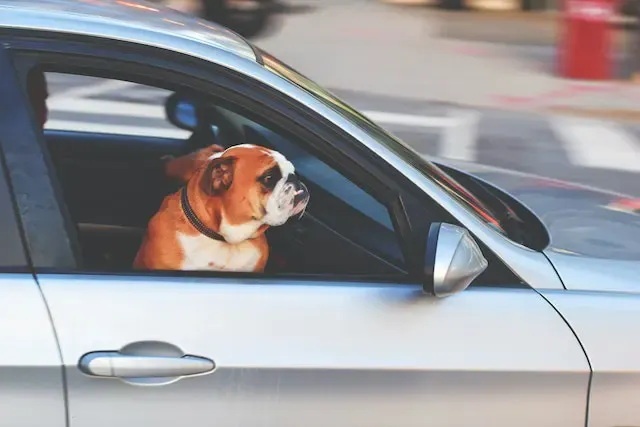
- Never leave a pet in a parked car, even with windows cracked. Interior temperatures can climb dangerously fast.
- Drive in cooler hours when you can, and keep the A/C running.
- Stop regularly for water and bathroom breaks, and keep your pet leashed at rest stops.
- Watch for heat stress: heavy panting, drooling, weakness or vomiting. Get to shade and a vet quickly if you see it.
- Protect paws: asphalt and concrete can burn. Test the pavement with the back of your hand.
Flying? Check the airline's pet policy early. Many restrict pets in cargo during hot months, and cabin spots fill up.
Pro tip: On moving day, put your pet in a closed bathroom or with a friend, with a sign on the door saying "Pet inside, do not open." Open doors and busy movers are when most escapes happen.
Working with movers when you have pets
If you hire a moving company, tell them about your pets when you book. Most movers will not transport animals, so plan for your pet to ride with you or stay with a sitter or boarding facility on moving day. A few extra tips:
- Schedule the move for a cooler part of the day when you can, for your pet and for the crew.
- Pack your pet's items last and unpack them first so their routine continues.
- If you are moving a long distance, book pet-friendly hotels in advance; policies and fees vary.
- Consider boarding anxious pets for a day or two on either end of the move so you can focus on the logistics.
Know local rules
Texas cities and counties set many of their own animal rules, so look up the ordinances where you are moving.
- Pet registration or licensing requirements in some cities
- Leash laws and dog park rules
- Limits on the number of animals per household
- HOA rules about fences, barking and yard use
Your new city's animal services website is the best place to confirm current requirements.
Help your pet settle in
- Pet-proof first. Check fences and gates, hide cords, and store cleaning products before your pet explores.
- Start with one room. Set up food, water, bed and litter in a quiet room, then expand access over a few days. A pet gate helps.
- Keep the routine. Feed and walk at the same times you did before.
- Find a new vet and the nearest emergency clinic right away.
- Watch for stress such as hiding, appetite changes or accidents. Most pets adjust within a few weeks.
If you are moving into a home you built or bought, plan pet-friendly features like durable flooring and a fenced yard. Our post on choosing the ideal home for your family covers layouts that work for households with kids and pets.
Next steps
Book the vet visit, update the microchip and confirm your new home's pet policy this week. If you are relocating to Central Texas, read relocating to Austin, and if a home build is in your future, the free training walks you through it.
Frequently asked questions
Do I need a health certificate to move my pet to Texas?
Requirements change, so check with the Texas Animal Health Commission and your veterinarian before you travel. Dogs and cats generally need a current rabies vaccination, and airlines often require a recent health certificate.
How do I keep my pet safe in the Texas heat during a move?
Never leave a pet in a parked car, travel during cooler hours when possible, bring plenty of water, and watch for heavy panting or lethargy. Hot pavement can also burn paws.
Do Texas apartments charge pet fees?
Many do, often a pet deposit, a one-time fee, and monthly pet rent, plus breed or weight limits. Ask for the full pet policy in writing before you apply.
Are emotional support animals treated differently in rentals?
Under the federal Fair Housing Act, a valid emotional support animal is generally treated as a reasonable accommodation rather than a pet, so standard pet fees may not apply. You typically need documentation from a licensed provider.