This guide contains affiliate links. As an Amazon Associate we earn from qualifying purchases, at no extra cost to you. Learn more.
In this guide
Building a new home is worth considering if you want a house that fits the way you actually live, runs efficiently in the Texas heat, and will not hand you a list of repairs the week you move in. It is not the fastest or cheapest route to owning a home, but for many families it delivers the best long-term value. Here is what you gain, what you give up, and how to tell if it is right for you.
The biggest benefits of building new
1. A layout built around your life, not someone else's
When you buy an existing house, you inherit the previous owner's choices: the cramped laundry room, the kitchen with no pantry, the bedroom that shares a wall with the garage. When you build, you decide.
- Put the primary suite where it gets the most privacy.
- Add a mudroom between the garage and kitchen so the dirt stays in one place.
- Size the dining area for the holidays you actually host.
- Plan a home office with a door that closes.
The trick is to design for the next ten to fifteen years, not just today. Our guide on how to choose a floor plan walks through the questions to ask before you commit to drawings. If you want a design primer before you meet an architect, our recommended resources include books like The Not So Big House, a popular read on designing for quality over square footage.
2. Modern systems and technology from day one
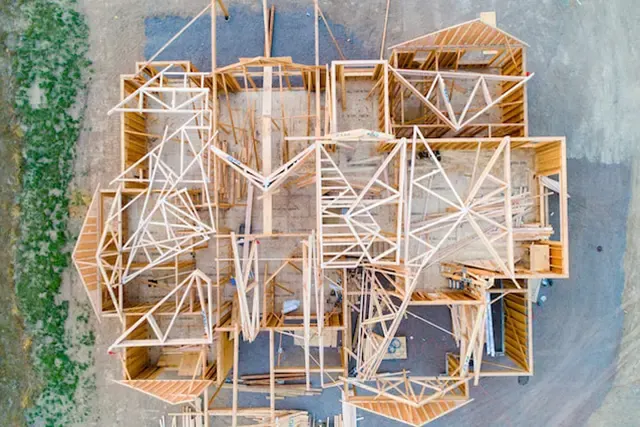
Retrofitting an older home with structured wiring, extra outlets, a whole-home surge protector or EV charging can mean opening walls. In a new build, those items are cheap to add while the studs are exposed. Think about:
- Conduit to the attic and garage for future wiring
- A dedicated circuit for an EV charger
- Smart thermostats, locks and leak sensors
- Good Wi-Fi coverage planned into the layout
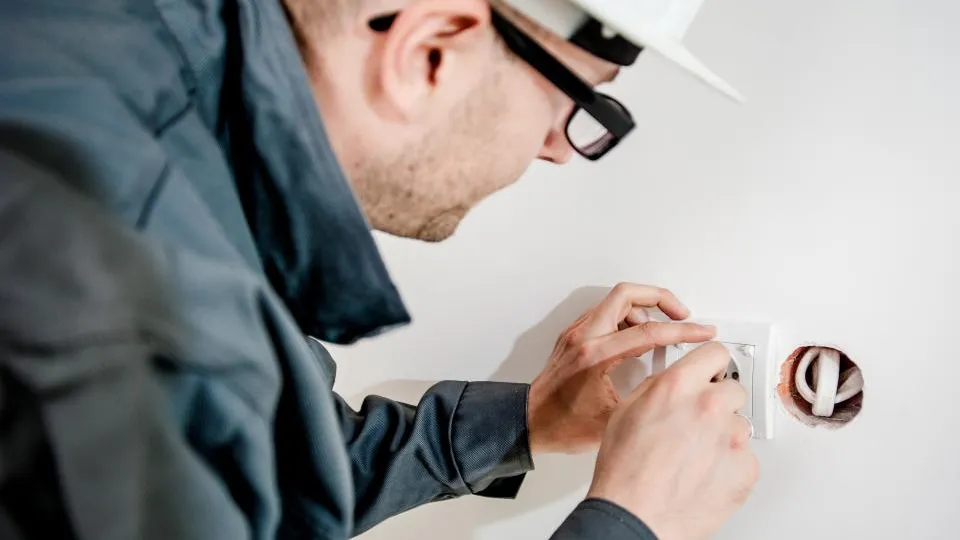
Each of these costs far less to rough in during framing than to retrofit later, so list them before your electrician's walkthrough.
Efficiency, maintenance and long-term value
3. Better energy efficiency for Texas summers
Newer energy codes generally require tighter construction, better insulation and more efficient equipment than homes built a few decades ago. On top of the code minimum, you can choose upgrades that matter most in a hot climate: radiant barriers, low-E windows, sealed ductwork inside the conditioned space, and a properly sized HVAC system.
Your city adopts the International Residential Code and energy code with local amendments, so check the current edition with your permitting office. Then read our guide to energy-efficient home building in the Texas heat for the upgrades that typically pay off.
4. Less maintenance in the early years
A new roof, new water heater, new HVAC and new plumbing usually mean fewer surprise repairs for years. Most builders also provide a written warranty. Coverage terms vary a lot, so read the document itself and ask how claims are handled.
Pro tip: Start a binder or digital folder on day one with every warranty, appliance manual, paint color and subcontractor contact. When something needs attention in year three, you will know exactly who installed it and what it is.
A simple accordion document organizer works fine for this, and it doubles as your closing-paperwork file.
5. A long-term investment you shaped
Building lets you make choices that support resale and flexibility: a guest suite that could serve aging parents, a bonus room that could become a fourth bedroom, or a lot with room for a future pool or shop. It also lets you avoid features that hurt value in your area. Talk to a local agent about what buyers in that neighborhood expect before you finalize the plan.
The honest trade-offs
Building is not right for everyone. Go in with eyes open:
| Factor | Building new | Buying existing |
|---|---|---|
| Timeline | Many months, often close to a year or more | Weeks to a couple of months |
| Upfront cost | Often higher; land, design and permits add up | Often lower for comparable size |
| Customization | High | Limited without renovation |
| Early repairs | Usually few, plus warranty | Depends on age and condition |
| Decisions required | Hundreds | Relatively few |
For a deeper side-by-side, read build a home or buy an already built one.
How to tell if building is right for you
Building a new home tends to make the most sense when most of these are true:
- You can live where you are now (renting, or in your current home) for a year or more.
- You have, or can qualify for, construction financing and a cash cushion for overruns.
- You have clear priorities for layout and features that existing homes in your area do not meet.
- You are willing to make a lot of decisions and stay involved.
- You plan to stay long enough to benefit from the choices you make.
If several of those are shaky, buying might be the smarter move for now, and that is fine. Many of our readers rent while they save and plan a build for later.
Owner-building: more control, more responsibility
Some people take the decision one step further and act as their own general contractor. You hire and schedule the subcontractors, order materials and manage inspections. Done well, it can trim the builder's overhead and give you full control of quality. Done poorly, it causes delays that eat up the savings. If that path interests you, start with how to be your own general contractor and read a proven guide such as Be Your Own House Contractor before you commit.
Next steps
Start with numbers. Our Texas home build budgeting guide shows how to set a realistic budget with a contingency. Then take the free training to learn the steps from land to move-in, including how owner-builders keep control of cost and quality.
Frequently asked questions
Is building a new home more expensive than buying?
Often, yes, at least upfront, because you pay for land, design, permits and construction separately. Lower early maintenance and better efficiency can narrow the gap over time, so compare total cost of ownership, not just the price tag.
How long does it take to build a new home in Texas?
Many custom and semi-custom homes take somewhere between 7 and 14 months from permit to move-in, and longer if design, financing or weather slow things down. Your builder or permitting office can give you a realistic range for your area.
Do new homes come with a warranty?
Most builders offer a written warranty, commonly structured as shorter coverage for workmanship and longer coverage for major structural items. Terms vary widely, so read the actual warranty document before you sign.
Can I build a new home without hiring a general contractor?
Yes. Many people act as their own general contractor, hiring and scheduling the subcontractors themselves. It can save money, but it takes time, organization and a willingness to learn.